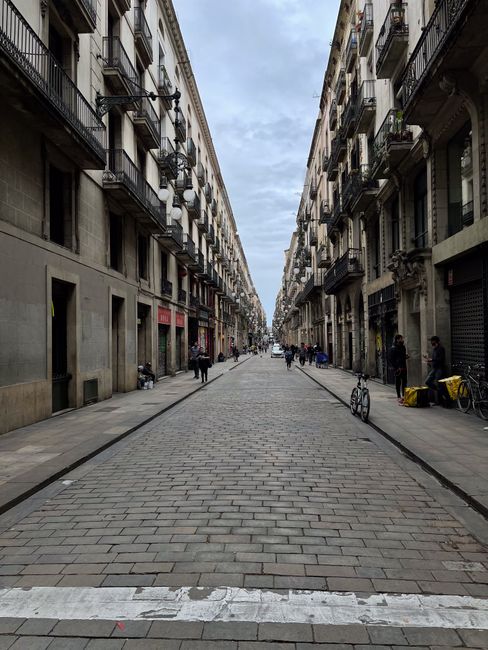
Eixample Barcelona Removals Guide for Narrow Street Access
If you are planning a move in Eixample, you already know the problem: the buildings are beautiful, the streets are busy, and access can be tight enough to make even a simple sofa feel like a puzzle. This Eixample Barcelona removals guide for narrow street access is here to help you think through the practical bits before moving day turns into a parking argument at 8:00 in the morning. Truth be told, in a place like Eixample, the move is won or lost long before the first box leaves the flat.
Whether you are moving into a modern apartment, an older walk-up, or an office space tucked between classic grid streets, the key is planning for road width, loading space, timing, and the building itself. Below, you will find a clear, human guide to the process, the common mistakes, and the best ways to keep things moving without stress.
Why Eixample Barcelona removals guide for narrow street access Matters
Eixample is famous for its grid layout, but that does not mean every street feels generous on moving day. Delivery vans, parked cars, scooters, pedestrians, and building entrances all compete for space. A removal team can have the right crew, the right van, and the right attitude, but if access is poor, the day can still unravel fast.
Narrow street access matters because it affects almost every part of the move:
- how close the vehicle can park to the front door
- whether a larger removal truck is realistic at all
- how much carrying distance there will be
- how long loading and unloading will take
- whether special lifting equipment or smaller vehicles are needed
If you are moving from a top-floor flat with no lift and a stairwell that feels slightly too tight for comfort, that access detail is not a small thing. It is the thing. A surprisingly ordinary box of books can become a back-breaker if the route from vehicle to doorway is awkward.
Good planning also reduces tension with neighbours, building managers, and anyone else who is already tired before lunch. That sounds minor, but on a dense city street, the social side of the move can be just as important as the logistics.
For people comparing different removal options, it helps to understand the service style that fits the street. Some moves suit a man and van setup, while larger household moves may need a fuller home moves service or even specialist help from house removals teams. Choosing the right shape of service early usually saves money and a lot of hassle.
How Eixample Barcelona removals guide for narrow street access Works
In practical terms, a narrow-access removal in Eixample usually starts with a route and vehicle assessment. The mover checks the street width, turning room, height restrictions if there are low balconies or canopies, parking options, and the distance from truck to entrance. Sounds simple, but there is a lot hidden in those few steps.
Most moves in tight streets work best in one of three ways:
- Large vehicle close access - ideal if parking or loading space is available near the building.
- Smaller van plus shuttle trips - useful when a large lorry cannot sensibly enter or stop nearby.
- Manual carry from a legal loading point - often the fallback when street conditions are busy or parking is limited.
The best option depends on the exact block, the time of day, and how much furniture you are moving. A one-bedroom flat with a lift is very different from a family move with wardrobes, white goods, and a piano. Obvious enough, but people still underestimate it.
Many customers first look for a flexible vehicle-based service such as a removal van or moving van, especially in urban areas where a full-size truck would be awkward. For smaller loads, the idea behind man with van support is that it can be more agile, easier to park, and less disruptive on a congested street. Not magic. Just more practical.
You will also want to think about access inside the building, not only on the road. A lift that is technically available may still be too small for a wardrobe. Staircases may have sharp turns. Hallways can be tight. If a dismantled bed frame still has to do a half-turn on the third landing, that is the sort of detail that decides the pace of the move.
In our experience, the smoothest moves are the ones where the team knows the constraints before arrival. No surprise, really. A crew that knows the difference between a short carry and a 40-metre slog will load more intelligently and protect the property better.
Key Benefits and Practical Advantages
Planning for narrow street access is not just about avoiding problems. It also creates a better move overall. There is a real difference between a move that feels controlled and one that feels like improvised street theatre.
- Less time wasted - the right vehicle and route cut dead time.
- Lower risk of damage - shorter carries and clearer paths reduce knocks and scrapes.
- Better cost control - the move is easier to quote accurately when access is known.
- Less stress for everyone - the team, the building, and you.
- More suitable equipment - dollies, straps, blankets, and smaller vans can be selected properly.
There is also a subtle benefit: people make calmer decisions when the access plan is realistic. If the van cannot park right outside, you do not waste the morning hoping it will all work out somehow. You already know the plan.
That matters for both home and business moves. A household relocation is tiring enough. For offices, the pace matters even more because teams need desks, IT equipment, and files in place quickly. If your move is commercial, it may be worth looking at commercial moves or office removals support so the street access problem does not ripple through the whole working day.
Expert summary: In a dense neighbourhood like Eixample, the smartest move is rarely the biggest vehicle; it is the best-matched vehicle, with the fewest surprises and the shortest realistic carry distance.
Who This Is For and When It Makes Sense
This guide is for anyone moving in or around Eixample where access may be limited by street width, parking pressure, building layout, or busy city traffic. That includes:
- tenants moving into or out of flats in older apartment blocks
- homeowners upgrading to a larger property
- students or young professionals with smaller loads
- families with larger furniture and more packing volume
- office managers relocating a small workspace
- landlords, letting agents, and property managers helping arrange move-outs
It makes sense any time the route from vehicle to property is not straightforward. If your front entrance sits on a narrow street with cars parked bumper to bumper, or the nearest stopping point is around the corner, you need a plan. If the lift is tiny, the stairs are steep, or the furniture is awkward, you need a better plan. Same idea.
For compact moves, many people find a smaller team and vehicle combination works well. For larger properties, a more structured crew from house movers or movers is often the safer choice. The goal is not to choose the fanciest service. It is to choose the one that fits the street and the building.
Step-by-Step Guidance
If you want the move to feel manageable, break it into stages. That sounds basic, but it works. Here is the approach we would use on a real Eixample job.
- Measure the access points
Check the street, doorway, stairwell, lift, and any tight corners. You do not need engineering-grade precision, but you do need enough detail to avoid obvious surprises. - Photograph the route
Take clear pictures of the street, the entrance, the lift, and any restricted parking area. A couple of photos sent early can answer more questions than a long explanation. - List the large items first
Sofas, wardrobes, beds, fridges, and desks should drive the plan. If those items fit, the smaller boxes are usually manageable. - Decide whether a van or truck makes sense
A full-size truck is not always the answer. For tight city streets, a smaller vehicle may be faster and less stressful. If the load is large, though, multiple van runs can become inefficient. - Arrange building and parking permissions if needed
Do not leave this to chance. Building rules, loading restrictions, and neighbour access all matter on the day. - Prepare a load order
Plan what comes out first and what stays for last. Make sure the heaviest and most awkward items are accessible without disturbing every other box. - Protect the property route
Use floor protection, corner guards, and wraps where needed. A scratched stair rail is the kind of thing that stays in everyone's memory a bit too long. - Keep a backup plan
Weather, traffic, or parking issues can change the day. Have a fallback spot, a second access point, or an alternative route in mind.
If you are booking packing support too, a packing and unpacking services add-on can be a lifesaver. It keeps the move organised and reduces the chance of last-minute box chaos in a hallway that is already too narrow for comfort.
And yes, label the boxes. Clearly. Future-you will be very grateful when the kettle, chargers, and bedding do not disappear into a sea of cardboard.
Expert Tips for Better Results
Small decisions make a big difference in narrow-street removals. Here are the details that tend to matter most.
- Book the right time of day - quieter periods are easier for parking and loading.
- Use smaller loads if the street is awkward - one carefully planned van can beat a half-done truck arrangement.
- Keep a clear path inside - shoes, plant pots, coat racks, and loose rugs become trip hazards very quickly.
- Disassemble furniture early - especially beds, shelving, and anything with a difficult angle.
- Protect lifts and corners - a little padding can prevent a lot of awkwardness.
- Warn neighbours if the building is tight - this helps reduce complaints and keeps the day civil.
A slightly unglamorous tip, but a useful one: keep a bag with snacks, water, tape, scissors, and a marker pen within reach. You do not want to be hunting for scissors while a wardrobe is blocking the landing. Happens more than you would think.
Another one. If the team tells you a certain sofa will not turn in the stairwell, listen the first time. It is much easier to rethink the route than to discover physics after lunch.
Common Mistakes to Avoid
Most narrow-access move problems are avoidable. The mistakes are usually simple, which is annoying in a very human way.
- Assuming the van will park right outside - in Eixample, that is often wishful thinking.
- Not measuring the largest item - a wardrobe that looks fine in the flat may be the wrong shape for the stairwell.
- Forgetting building rules - lift reservations, quiet hours, and loading restrictions can all matter.
- Underestimating packing volume - too many boxes leads to longer carries and slower loading.
- Leaving access photos until the last minute - the mover cannot plan properly without them.
- Choosing service by price alone - cheapest is not always cheapest once delays and extra handling appear.
There is also the classic mistake of treating the move like a normal suburban house job. Eixample is not that. It is a city centre environment with live streets, limited patience, and a lot of moving parts. If your quote assumes easy access, but the reality is three flights of stairs and a narrow doorway, the day can go sideways fast.
One more thing: do not hide awkward items until the end. That old filing cabinet or oversized mirror should be discussed early, not discovered at the doorway with everyone staring at it in silence. Not ideal.
Tools, Resources and Recommendations
You do not need a van full of specialist gear to manage a tight-access move, but the right tools help a lot. At minimum, a good removal team will usually think in terms of protection, handling, and route control.
- Tape measures for checking item sizes and corridor widths
- Furniture blankets to reduce damage risk
- Dollies or sack trucks for heavier items where flooring and steps allow
- Straps and tie-downs to keep loads stable in transit
- Floor protection for entrances, staircases, and lift areas
- Clear labels so the unloading sequence is simple
For vehicle choice, it often comes down to whether your access is better suited to a flexible removal services approach, a smaller removals van, or a more robust vehicle option such as removal truck hire. There is no universal winner. The right vehicle is the one that can access the street safely without creating extra work.
If you are browsing options and want a broader look at what is available, the removal company and removal companies pages can help you understand the service categories and what kind of support might suit your move. For very small relocations, removals near me may also be a useful starting point when you need something local and fast-moving.
Law, Compliance, Standards, or Best Practice
For street-access moves, the most important compliance point is simple: do not block traffic, breach local parking rules, or create unsafe lifting conditions. Exact permissions and restrictions can vary by location and building, so it is sensible to check what applies before moving day rather than hoping for the best.
From a best-practice perspective, safe removals usually follow a few common principles:
- plan the access route before the move starts
- use suitable lifting techniques and enough people for heavy items
- protect the property and shared areas
- avoid overloading vehicles
- communicate clearly with the customer and building contacts
If you are comparing operators, look for clear policies on safety, insurance, and payments. On a practical level, that often matters more than glossy marketing. It is also sensible to review the company's health and safety policy and insurance and safety information so you know how risks are handled if something awkward happens on a staircase or tight landing.
For households and businesses alike, a move is less stressful when responsibilities are clear. Who is measuring access? Who is handling fragile items? Who is opening gates or booking the lift? Simple questions, but they prevent a lot of confusion later.
Options, Methods, or Comparison Table
Different access problems call for different moving methods. Here is a straightforward comparison to help you decide what usually fits best.
| Method | Best for | Pros | Trade-offs |
|---|---|---|---|
| Small van move | Studios, one-bedroom flats, lighter loads | Easy to park, flexible on narrow streets, quick loading | May need multiple trips for larger moves |
| Standard removal van | Most city apartment moves | Good balance of capacity and manoeuvrability | Still needs sensible parking and access planning |
| Removal truck hire | Large household moves, high-volume loads | More space, fewer total trips | Harder to place on tight streets; may need extra coordination |
| Full removal team | Complex moves, heavy furniture, stairs, offices | Better handling, faster loading, more support | Higher cost than a minimal vehicle-only option |
To be fair, many Eixample jobs land somewhere between the second and third rows. A full truck may be too much, but a tiny van may be too little. That middle ground is where planning really pays off.
Case Study or Real-World Example
Imagine a two-bedroom flat on a lively Eixample street, with limited curb space and a small lift that barely takes two people and a suitcase. The movers arrive early, but the street is already active with deliveries and neighbours leaving for work. It is not chaos, just busy.
In a case like this, the team may park a smaller van around the corner, use a short carry, and keep the entrance clear while boxes move in a steady rhythm. The sofa is dismantled in advance, the bed frames are wrapped, and the heaviest boxes are loaded first so the van space is used properly.
The move still takes planning, but it remains controlled. No one is forcing a large vehicle into a street that was never going to welcome it. No one is guessing where the next parking space will appear. And because everyone knows the route ahead of time, there is less standing around, less frustration, and fewer chances for small injuries or property damage.
That is the real lesson, honestly. The best move is usually the one that looks a little boring from the outside. Quiet, prepared, and a bit unremarkable. Which is exactly what you want when you are carrying a washing machine down a shared stairwell.
Practical Checklist
Use this checklist before moving day. It is simple, but it catches most of the things people forget.
- Measure the widest furniture items and compare them with doorway and stair widths
- Check whether the street allows loading near the property
- Confirm lift size and whether it can be reserved
- Take photos of the entrance, street, and access route
- Identify fragile or awkward items early
- Choose the right vehicle size for the access conditions
- Prepare packing supplies and clear labels
- Protect floors, corners, and shared areas
- Notify neighbours or building contacts if needed
- Keep documents, keys, and essentials easy to reach
If you only do one thing from this list, do the measurements and photos. They save a surprising amount of guesswork.
Get a free quote today and see how much you can save.
Conclusion
Narrow street access in Eixample is not something to fear, but it is something to respect. Once you understand the street layout, the building constraints, and the type of vehicle or team that actually fits the job, the move becomes much easier to manage. You avoid the usual headaches, you protect your belongings, and you give everyone a better day.
If your move feels complicated, that is normal. City moves often do. The good news is that with a bit of planning, even awkward access can be handled smoothly, calmly, and without drama. Not perfectly, maybe, but well enough that you can breathe again when the last box lands in the right room.
And that, in the end, is what a good move should feel like.
Frequently Asked Questions
What makes Eixample removals difficult compared with other areas?
Eixample can be more challenging because street parking, traffic, and building access often limit how close a vehicle can get. Even if the roads are laid out in a grid, the real challenge is finding workable stopping space and moving bulky items through compact entrances or stairwells.
Should I use a van or a truck for a narrow street move?
It depends on the load and the street. A van is often easier to park and manoeuvre, while a truck can be better for larger moves if access is workable. In many narrow-street situations, a van or smaller vehicle is simply the safer choice.
How do I know if my furniture will fit through the stairs?
Measure the widest part of the item and compare it with the narrowest point on the route, including turns and landings. If you are unsure, take photos and ask the mover to assess the access before moving day.
Is it worth booking packing help for a move with poor access?
Yes, often it is. Proper packing and labelling make loading and unloading faster, and they reduce the amount of handling needed in tight spaces. That can be a real advantage when the route is awkward.
Can a removal company deal with parking restrictions?
Many can help plan around them, but you should confirm how they handle parking, loading zones, and access constraints. The more detail you share in advance, the better they can prepare.
What should I send a removal company before the move?
Send photos of the entrance, street, stairs, lift, and any large furniture. A short note about parking, lift size, and floor level is also useful. It is a small effort that can make the quote and plan much more accurate.
How early should I plan a narrow street removal?
As early as possible, especially if you need to coordinate building access or parking. Even a basic access check a few days early is better than discovering a problem on the morning of the move.
What if the van cannot park outside the building?
Then the team may need to use a nearby loading point and carry items a short distance. That is common in city moves, but it should be planned in advance so the timing and staffing are realistic.
Are office moves in Eixample handled differently from home moves?
Usually yes. Office relocations often involve more coordination, equipment handling, and timing pressure. If you are moving a business, services like office relocations and commercial moves tend to be more suitable than a basic small-load move.
How can I reduce the risk of damage in a tight building?
Protect floors, corners, and lift interiors, dismantle awkward furniture where possible, and keep the route clear. Good preparation matters more than brute force, especially in older buildings with tight turns.
Is a man and van service enough for a flat move in Eixample?
Sometimes yes, especially for smaller loads or simpler access. For bigger flats, heavy furniture, or awkward stairs, a fuller moving team may be the better fit. It depends on the scale of the job and the layout of the building.
What is the biggest mistake people make with narrow street access?
Assuming access will work itself out on the day. It rarely does. A few photos, some measurements, and a realistic vehicle choice usually make the biggest difference.
For a smoother experience, keep your access notes, photos, and inventory together before booking. If you already have that ready, you are ahead of the game, and that is half the battle in a place like Eixample.
For more detail on company standards, you can also review about us, pricing and quotes, payment and security, terms and conditions, and recycling and sustainability before you decide how to move forward.